A Second Amendment Design: A Designer's Practical Review
First Look: Mood, Composition, and Context
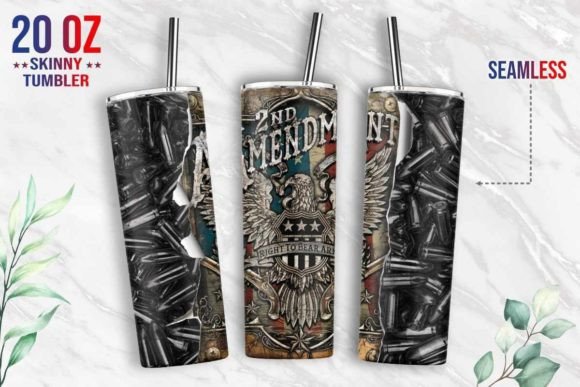
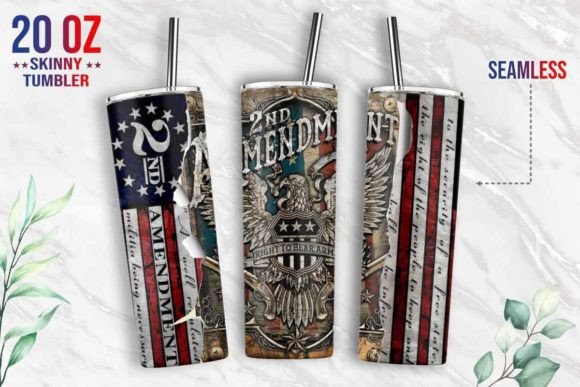
When I opened this Second Amendment Flag 20oz Tumbler Wrap, my immediate impression was straightforward patriotism with a clear message. The design isn't subtle; it's bold and declarative. That's its strength. The composition, based on the title, suggests a flag motif tailored for a specific product—a tapered tumbler. This tells me the layout likely has a vertical orientation and curved elements to fit that form. For embroidery, that's a key consideration. Applying such a design to a flat surface like a tote bag or sweatshirt requires thinking about how those curved lines will translate. The mood it creates is unapologetically proud and niche, which means it will resonate deeply with a specific audience and feel out of place for a general one.
The visual personality is likely graphic and icon-driven. As an embroidery designer, I look at a design and immediately start picturing it in stitches. Would the flag stripes become satin stitches or fill stitches? How would the lettering or symbolic elements handle conversion to an embroidery file? This design feels like it belongs on projects where the message is the primary feature: custom caps for a shooting club, patriotic patches for jackets, or statement sweatshirts for a boutique focused on Americana themes. It's not a nursery decor piece; it's an adult, message-driven design.
Real-Life Embroidery Scenario: From Digital File to Stitched Product
Let's walk through a real case. Imagine a client requests custom embroidered tote bags for a Father's Day event at their outdoor supply shop. They want something bold, patriotic, and gift-oriented. The Second Amendment Flag 20oz Tumbler Wrap comes to mind because of its stated theme and gift association. My first step isn't to stitch it—it's to evaluate.
I'd consider the design's detail level. Tumbler wraps often have fine details for sublimation, but embroidery has physical limits. Tiny lettering or intricate flag details might need simplification to avoid stitching issues. On a tote bag's sturdy canvas, a dense fill stitch area could look great, but on a stretchy fabric like a sweatshirt, it might require heavy stabilizer to prevent puckering. This design would perform well on robust, flat surfaces: aprons, pillow covers, tea towels, or as a standalone embroidered patch. For baby clothes or delicate blankets? The theme and likely density make it a poor fit.
Visual appeal in embroidery hinges on clarity. A clean, bold design like this can stitch out with high recognition, increasing the perceived value of the finished product. For an Etsy seller offering personalized gifts, a well-stitched version on a high-quality canvas tote could command a strong price and attract a dedicated customer base. The design’s specificity builds customer trust—they see exactly what they're getting. However, on a curved surface like a cap, the tapered elements from the original tumbler wrap might need adjustment to sit correctly on the cap's front panel.
Careful Application: Where This Design Demands Attention
Not all projects are equal. This Second Amendment Flag design should be used carefully in several scenarios. First, small hoop sizes. If the design is large or detailed, forcing it into a small hoop for a baby item or a shirt pocket could crush the detail and make the stitching muddy. Second, textured or dark fabrics. Dark fabric requires careful thread color choice for contrast; a flag design often uses white, which on a black sweatshirt can look striking, but you must ensure the fill stitches are dense enough to prevent the dark background from showing through.
Thin or stretchy fabrics like t-shirts are tricky. The stitch density, if high, could weigh down the fabric and cause distortion. Layered garments like jackets might handle it better. Detailed corners and tiny lettering are the biggest practical concerns. In embroidery, very small text can become a blob of thread if not digitized properly for the machine. As a reviewer, I'd strongly advise testing the supplied design file in a software preview to check lettering clarity before committing to a client's commercial embroidery project. Products needing frequent washing, like kitchen towels or apparel, also demand durable stitching; satin stitch borders on this design might wear faster than a robust fill stitch.
Impact on Business and Craft
For a creative entrepreneur, using this design affects several areas beyond the stitch itself. Visual appeal directly drives buyer engagement. A crisp, well-executed embroidered patch featuring this design can become a bestseller in a shop focused on patriotic merchandise. It enhances handmade presentation by showing a clean, professional execution of a popular theme. Brand consistency matters too; if your small business sells conservative or outdoor-themed products, this design aligns perfectly. If your brand is eclectic, it might feel disjointed.
Giftability is high, given the mention of Dad gift and Father's Day. An embroidered pillow cover or apron with this design could be a powerful personalized gift. Recognition is instant, which helps in craft fair settings where customers make quick decisions. Professionalism, however, comes from your execution. A poorly digitized or stitched version, even of a strong design, will hurt your reputation. Always treat third-party design assets like this with respect and thorough testing.
Practical Designer Notes Before You Stitch
Here is my standard checklist before using any new design like the Second Amendment Flag 20oz Tumbler Wrap in real work.
- Test on scrap fabric first. Use the same fabric you intend for the final project. This reveals tension issues and density problems.
- Check thread color contrast. Run a sample on both light and dark backgrounds to see how the palette works.
- Review stitch density in your embroidery software. Look for areas that might be too dense for lightweight fabrics.
- Confirm the hoop size needed. Does the design fit your machine's capabilities and your product's size?
- Inspect small details. Zoom in on any text or fine lines in the file preview to ensure they'll stitch cleanly.
- Test in black and white mockups. This helps visualize the design without color, focusing on form.
- Use proper stabilizer. Match the stabilizer to your fabric and the design's stitch load.
- Check licensing. The product description mentions it's a digital download. Always confirm the license terms for commercial use before selling finished embroidered items or digital products derived from it.
Remember, this product is categorized as Print Templates and Graphics. As an embroidery designer, you're adapting it for a different medium. The original is likely a PNG for sublimation. Your embroidery file conversion must be done carefully, respecting the design's intent while making it stitch-ready. Don't assume the provided file is an embroidery file unless explicitly stated.
Final Realistic Judgment
This Second Amendment Flag 20oz Tumbler Wrap design, from a designer's point of view, is a specialized asset. It has clear commercial potential for makers targeting a patriotic, niche market. Its value in embroidery hinges on your ability to translate its graphic nature into durable, clear stitches. It fits best on robust, flat products like tote bags, patches, aprons, and pillow covers where its bold statement can be showcased without technical compromise. For client projects, it would satisfy a specific request perfectly, but I wouldn't recommend it as a versatile, all-purpose design. Its strength is its clarity of theme; its weakness for embroidery could be in any overly intricate details that don't translate to thread. Approach it with practical respect: test meticulously, know your audience, and stitch with confidence for those who already love its message.