The Daisy Flower Cup Wrap: A Designer's Review for Real Projects
When a new embroidery design lands in my library, I don't just open the file. I picture it stitched out, on a real product, under real light, held by a real customer. That’s the lens I’m using today with the Daisy Flower Cup Wrap. This isn’t a spec sheet review. It’s a practical look at how this design functions as a craft business asset and a creative tool.
A First Impression of Cheerful, Casual Charm
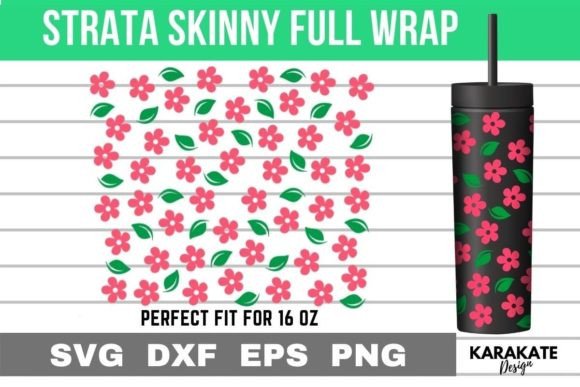
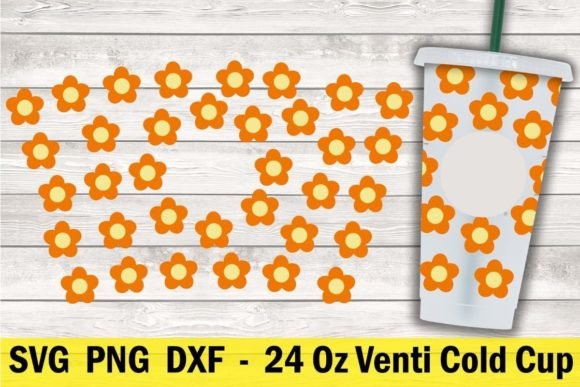
The immediate mood here is friendly and approachable. It’s not a formal, intricate floral illustration; it’s a cheerful, casual wrap meant to adorn a specific object—that 24 oz cold cup. The layout is naturally circular, wrapping around a cylinder, which tells me its core personality is decorative and functional. For embroidery designers and makers, this suggests a design that’s less about being a central focal point and more about being a delightful accent. The detail level feels balanced for a mid-sized project: not so dense that it becomes a stitching marathon, but with enough character to feel handmade and special.
Where This Design Shines in Your Project Lineup
Let’s walk through a real scenario. Imagine you’re preparing a batch of custom tote bags for a spring craft fair. You want something light, seasonal, and universally appealing. The Daisy Flower Cup Wrap, adapted slightly for a flat surface, could be a perfect candidate. Its circular, wreath-like composition would sit nicely on a bag pocket or panel. Stitched out on a sturdy canvas tote, the floral theme would convey a handmade, boutique feel without being overly fussy.
That’s just one possibility. This design’s adaptable personality makes it a contender for a range of embroidery projects.
- Sweatshirts & Casual Apparel: On a sweatshirt sleeve or the back of a t-shirt, it becomes a stand-alone emblem of simple joy.
- Home & Kitchen Textiles: Think apron corners, pillow covers, or the hem of a tea towel. It injects a bit of handmade warmth into everyday items.
- Personalized & Gift Products: As a holiday gift or a wedding party favor, an embroidered patch or a small pillow with this motif feels thoughtful and crafted.
- Small Business Merchandise: For Etsy sellers or boutique owners, it could anchor a line of spring-themed products—from baby blankets to nursery decor.
The key is that it reads as an accent. It’s unlikely to be the sole, massive logo on a product, but rather the charming detail that elevates a finished product’s value and visual appeal.
Careful Placement: Where to Mind the Details
Every design has its sweet spots and its tricky terrains. With a circular, wrap-style design like this, a few practical considerations come to mind for a successful embroidery project.
- Curved Surfaces & Textured Fabrics: Its original intent is for a cup, a curved surface. On a curved cap or hat, that inherent shape could work beautifully. However, on a heavily textured fabric like a loose knit, the smaller details might get lost.
- Scale & Hoop Size: Since the files are pre-sized, you’re working with a fixed dimension. Ensure your target hoop size can accommodate it comfortably. Trying to squeeze it into a very small hoop might compromise stitch clarity.
- Dark Fabric Backgrounds: The cheerful, likely lighter-color palette implied by a daisy design demands good thread color contrast on darker fabrics. A white or yellow daisy on a black sweatshirt can pop wonderfully, but you must choose your threads wisely.
- Products for Frequent Use: If stitching this onto an item meant for frequent washing, like a kitchen towel, pay extra attention to stabilizer choice and stitch density to ensure longevity.
These aren’t red flags; they’re the marks of a professional designer thinking ahead. Addressing them upfront builds customer trust and ensures your handmade presentation stays crisp.
The Impact on Your Craft Business & Customer Engagement
Using a design like the Daisy Flower Cup Wrap isn’t just about stitching; it’s about communication. When a customer sees this embroidered on a product, they’re seeing a recognizable, pleasant motif. That recognition fosters immediate engagement. For a creative entrepreneur, it helps with brand consistency if you’re building a line around a certain aesthetic—say, “casual garden charm.”
It boosts giftability. A personalized baby item or a set of embroidered pillow covers featuring this design feels like a complete, thoughtful present. It also speaks to professionalism. A clean, well-executed stitch-out of a coherent design shows care, which buyers notice.
A Designer's Practical Notes Before You Hoop Up
Before I commit any design to a client project or my own shop merchandise, I run a few standard checks. For this embroidery file, I’d advise the same.
- Test on Scrap First: Always. Use a scrap of your intended fabric—be it cotton for a tote or fleece for a sweatshirt—to see how the fill stitches and any satin stitch elements behave.
- Check Detail Visibility: Inspect the small details in the test run. Are the petal definitions clear? Does the design hold its visual personality on your material?
- Play with Color & Contrast: Run mental or simple digital mockups in both light and dark scenarios. Does the design work in a black-and-white, high-contrast version for a more modern look?
- Confirm the Essentials: The product description mentions high-resolution files and pre-sizing. As a designer, I’d still want to confirm the specific machine embroidery file formats available, the exact finished dimensions, and the license terms—especially if I’m planning to use it for commercial embroidery or sell finished products. Never assume.
- Consider the Whole Project: Pair this design with the right stabilizer for your fabric. Think about the thread colors that will enhance its cheerful mood. Picture it as part of a larger product, not just an isolated graphic.
Ultimately, the Daisy Flower Cup Wrap presents itself as a straightforward, mood-lifting graphics asset for the crafts space. Its value for embroidery designers and makers lies in its adaptable, accent-ready nature. It won’t dominate a product, but it will charmingly decorate it. With practical testing and mindful placement, it can become a reliable part of your toolkit for creating handmade products that feel both professional and genuinely pleasant.